

Travel Vaccines and Advice for Zimbabwe




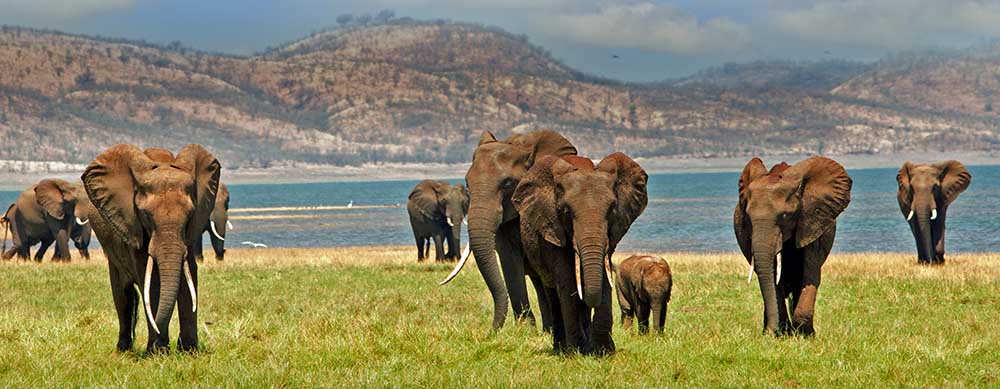
The Zambezi river flows through northwest Zimbabwe, where gorgeous Victoria Falls is located. Travelers see the beautiful, red msasa trees and green mountains.
Those who venture into the cities will meet locals who are friendly, polite, and welcoming, despite the economic and political difficulties they have faced. Zimbabwe is a country for those who want to see some of the natural beauty Southern Africa has to offer.
On This Page:
Do I Need Vaccines for Zimbabwe?
Other Ways to Stay Healthy in Zimbabwe
Health Notices and Outbreaks in Zimbabwe
Do I Need Vaccines for Zimbabwe?
Yes, some vaccines are recommended or required for Zimbabwe. The CDC and WHO recommend the following vaccinations for Zimbabwe: typhoid, cholera, hepatitis A, polio, yellow fever, chikungunya, rabies, hepatitis B, influenza, COVID-19, pneumonia, meningitis, chickenpox, shingles, Tdap (tetanus, diphtheria and pertussis) and measles, mumps and rubella (MMR).
See the bullets below to learn more about some of these key immunizations:
- Typhoid –
Food & Water –
Shot lasts 2 years. Oral vaccine lasts 5 years, must be able to swallow pills. Oral doses must be kept in refrigerator. - Cholera –
Food & Water –
Areas of transmission include Mashonaland East Province. Vaccination is recommended for travelers to the region. - Hepatitis A –
Food & Water –
Recommended for most travelers. - Polio –
Food & Water –
Due to an increase in cases globally, an additional adult booster is recommended for most travelers to any destination. - Yellow Fever –
Mosquito –
Required if traveling from a country with risk of yellow fever transmission. - Chikungunya –
Mosquito –
Few cases reported since 2016. Increased risk for those who may be in more rural areas. - Rabies –
Saliva of Infected Animals –
Moderate risk country. Vaccine recommended for certain travelers based on destination, activities and length of stay. - Hepatitis B –
Blood & Body Fluids –
Recommended for travelers to most regions. - Influenza –
Airborne –
Vaccine components change annually. - COVID-19 –
Airborne –
Recommended for travel to all regions, both foreign and domestic. - Pneumonia –
Airborne –
Two vaccines given separately. All 65+ or immunocompromised should receive both. - Meningitis –
Direct Contact & Airborne –
Given to anyone unvaccinated or at an increased risk, especially students. - Chickenpox –
Direct Contact & Airborne –
Given to those unvaccinated that did not have chickenpox. - Shingles –
Direct Contact –
Vaccine can still be given if you have had shingles. - Polio –
Food & Water –
Considered a routine vaccination for most travel itineraries. Single adult booster recommended. - TDAP (Tetanus, Diphtheria & Pertussis) –
Wounds & Airborne –
Only one adult booster of pertussis required. - Measles Mumps Rubella (MMR) –
Various Vectors –
Given to anyone unvaccinated and/or born after 1957. One time adult booster recommended.
See the table below for more information:
Recommended Travel Vaccinations for Zimbabwe |
||
| VACCINE | HOW DISEASE SPREADS | DETAILS |
|---|---|---|
| Typhoid | Food & Water | Shot lasts 2 years. Oral vaccine lasts 5 years, must be able to swallow pills. Oral doses must be kept in refrigerator. |
| Cholera | Food & Water | Areas of transmission include Mashonaland East Province. Vaccination is recommended for travelers to the region. |
| Hepatitis A | Food & Water | Recommended for most travelers. |
| Polio | Food & Water | Due to an increase in cases globally, an additional adult booster is recommended for most travelers to any destination. |
| Yellow Fever | Mosquito | Required if traveling from a country with risk of yellow fever transmission. |
| Chikungunya | Mosquito | Few cases reported since 2016. Increased risk for those who may be in more rural areas. |
| Rabies | Saliva of Infected Animals | Moderate risk country. Vaccine recommended for certain travelers based on destination, activities and length of stay. |
| Hepatitis B | Blood & Body Fluids | Recommended for travelers to most regions. |
Routine Vaccinations for Zimbabwe |
||
| VACCINE | HOW DISEASE SPREADS | DETAILS |
|---|---|---|
| Influenza | Airborne | Vaccine components change annually. |
| COVID-19 | Airborne | Recommended for travel to all regions, both foreign and domestic. |
| Pneumonia | Airborne | Two vaccines given separately. All 65+ or immunocompromised should receive both. |
| Meningitis | Direct Contact & Airborne | Given to anyone unvaccinated or at an increased risk, especially students. |
| Chickenpox | Direct Contact & Airborne | Given to those unvaccinated that did not have chickenpox. |
| Shingles | Direct Contact | Vaccine can still be given if you have had shingles. |
| TDAP (Tetanus, Diphtheria & Pertussis) | Wounds & Airborne | Only one adult booster of pertussis required. |
| Measles Mumps Rubella (MMR) | Various Vectors | Given to anyone unvaccinated and/or born after 1957. One time adult booster recommended. |
Specific Vaccine Information
- Typhoid – Salmonella Typhi causes typhoid, a potentially life-threatening illness spread through contaminated food and water. Vaccination is a critical preventive measure, especially for travelers heading to endemic regions or individuals with an increased risk of exposure.
- Cholera – Cholera, a diarrheal illness triggered by Vibrio cholerae, spreads through contaminated water and food. Preventing cholera entails sanitation, hygiene, and safe food practices. The CDC recommends cholera vaccination for travelers in high-risk areas and outbreak responses as an effective preventive measure against this infectious disease.
- Hepatitis A – Hepatitis A, caused by the hepatitis A virus (HAV), is a contagious liver infection. It spreads through contaminated food, water, and close contact. Preventive measures include vaccination, good hygiene, and avoiding raw shellfish. The hepatitis A vaccine is highly effective, requiring two doses for long-term protection.
- Chikungunya – Chikungunya, spread by infected mosquitoes, can be prevented through mosquito bite prevention and vaccination. The chikungunya vaccine is considered the best form of protection.
- Rabies – Rabies is a deadly viral disease that affects mammals and spreads through the saliva of infected animals, primarily through bites or scratches. Preventing rabies involves vaccinating pets, avoiding contact with wild animals, and seeking immediate medical attention if exposed. The rabies vaccine is a crucial preventive measure that stimulates the immune system to produce antibodies against the virus.
- Hepatitis B – The hepatitis B vaccine is a potent shield against this liver virus, recommended for all travelers and crucial for healthcare workers. Alongside vaccination, practicing safe sex and avoiding needle sharing are essential in hepatitis B prevention.
- Measles, Mumps, Rubella (MMR) – Measles, mumps, and rubella are contagious viral infections, causing various symptoms and complications. To prevent them, vaccination is key. The MMR vaccine, given in two doses, safeguards against all three diseases and helps establish herd immunity, reducing the risk of outbreaks.
Malaria in Zimbabwe
Antimalarials are recommended for travelers to all regions of Zimbabwe. Chloroquine resistance is present in the country. Atovaquone, doxycycline, mefloquine and tafenoquine are suggested as antimalarials if traveling to the region. Consult with a travel health specialist on which antimalarial will best fit your needs.
Proof of yellow fever vaccination may be required for entry to Zimbabwe. Make sure you are vaccinated before entering the country if you are coming from a region with yellow fever.
Malaria is also present in Zimbabwe. Make sure you are protected with antimalarials, mosquito repellents and netting.
Other Ways to Stay Healthy in Zimbabwe
Prevent Bug Bites in Zimbabwe
Bug bite prevention strategies involve wearing appropriate clothing and utilizing EPA-approved repellents such as DEET or picaridin, as suggested by the CDC. Stay cautious during peak bug activity periods, clean the affected area, refrain from scratching, and consider over-the-counter remedies while promptly consulting a healthcare professional for severe reactions.
Food and Water Safety in Zimbabwe
Safeguard your health while abroad by consuming cooked and hot foods, opting for bottled or sealed drinks, and practicing proper hand-washing. Limit your exposure to risky local dishes. To prevent travelers’ diarrhea, maintain these precautions: eat carefully prepared foods, avoid untreated water, sanitize your hands, consider probiotics, and exercise caution with unfamiliar cuisine.
Altitude Sickness in Zimbabwe
Altitude sickness, also known as acute mountain sickness (AMS), arises at high elevations due to decreased oxygen levels. To prevent AMS, ascend gradually, stay hydrated, and consider medications like acetazolamide. If symptoms like headaches or fatigue develop, descend to lower altitudes for rest and recovery, seeking medical help if necessary.
Infections To Be Aware of in Zimbabwe
- African Sleeping Sickness – African Sleeping Sickness, caused by parasites transmitted through tsetse fly bites in Africa, can be prevented by insect repellent, and avoiding fly-prone areas.
- African Tick-Bite Fever – African Tick-Bite Fever (ATBF) is a disease transmitted through tick bites in sub-Saharan Africa. Preventive measures include wearing protective clothing, using insect repellent, and performing tick checks. Consult a healthcare professional before traveling to endemic areas.
- Crimean-Congo Hemorrhagic Fever – Crimean-Congo Hemorrhagic Fever, which spreads through ticks and human-to-human contact, can be mitigated by practicing tick bite prevention. Vaccinations against the disease are in development.
- Dengue – Dengue fever, transmitted by Aedes mosquitoes, significantly impacts global health, affecting up to 400 million people yearly. Without specific antiviral treatments, prevention through avoiding mosquito bites is key. Repellents and nettings are recommended.
- Marburg Hemorrhagic Fever – Combating Marburg Hemorrhagic Fever involves ongoing research on vaccination, a crucial tool in prevention. MHF transmission stems from contact with infected animals and individuals, underscoring the significance of protective measures.
- Rift Valley Fever – To prevent Rift Valley Fever, vaccination of livestock is crucial, along with controlling mosquito populations and ensuring safe animal handling practices. Public health education plays a vital role in raising awareness about RVF risks.
- Schistosomiasis – Schistosomiasis, caused by parasitic flatworms, is prevalent in areas with contaminated freshwater sources. Prevention involves staying out of potentially infected waters and using protective clothing. Recognizing symptoms such as fever and seeking medical help promptly is crucial for diagnosis and treatment.
Health Notices and Outbreaks in Zimbabwe
- Polio – Polio cases have been reported in Zimbabwe over the last 12 months. Vaccination is considered the best form of protection against the virus. Make sure your polio vaccine history is up-to-date. If you have received the polio vaccine in the past, a single, lifetime booster may be needed.
- Cholera – Over 25,000 cases of cholera have been reported in Zimbabwe since last year. While case numbers have declined in recent weeks, travelers are advised to receive the cholera vaccine before traveling to the region.
Customer Reviews
Passport Health – Travel Vaccines for Zimbabwe
“I was very impressed with the information packet I received when I arrived, and how informed they were with the potential issues with travel to Zimbabwe.”
“Contacted Passport Health for a trip to Zimbabwe. Was getting conflicting information online about what might be required as far as health goes. The practitioner at Passport Health was very well-informed and helped me get what I needed and also let me know what was going to be overkill as far as medications and vaccinations, etc. go. I appreciated this very much as I don’t like to take any medications (including vaccines) that I don’t really need. The price of the visit was also very affordable and I was able to get in to see someone on very short notice whereas this would have been difficult with my regular doc. (The decision to take the trip had only been made two weeks before taking off.) Thanks, Passport Health!”
“We used Passport Heath for a trip to Zimbabwe and found the staff very well informed on travel vaccines and other health issues.”
“We were greeted warmly. We learned a lot about traveling to Zimbabwe and were provided with all the information we need to have a safe and comfortable trip.”
“It’s the first time that I am going to Zimbabwe and the service I received was amazing. So many things were explained to me beyond the vaccinations needed. Preventive measures were discussed and remedies for possible conditions. I have quite a few vaccinations to take but it was so pleasantly surprised that I could take the vaccinations indifferent installments. I am so happy about my experience today that I am recommending it to whomever has to travel to country that require vaccinations.”
“My husband & I are retired missionaries & we were invited to 150th anniversary of The Salvation Army ministry in Zimbabwe, Africa. We needed to have our vaccinations renewed and found Passport Health on the internet. This was the friendliest clinic we’ve ever experienced before, thanks to a lovely reception of the nurse on duty. She carefully examined our medications and allergies and took time to find alternatives that would work. Our whole visit was just so enjoyable, even with shots! We will recommend your clinic to our friends & family. Thank you very much.”
“I received the shots and preventative medication I needed for a trip to Zimbabwe but I also became educated on what I did or didn’t need and why. I came away vaccinated and informed.”
“The doctor was very friendly & thorough as she went over information with my daughter about her upcoming trip to Zimbabwe.”
“Organized, friendly atmosphere. I felt like I had all I needed for a safe trip to Zimbabwe. I have been using Passport health for over ten years for my trips.”
“I took my daughter to Passport Health in preparation for her upcoming trip to Zimbabwe. The nurse had a detailed document prepared and did a great job of both stepping through it and also providing additional suggestions regarding the trip. We received vaccinations, prescriptions and other materials to ensure she was fully prepared. The services were provided very professionally and we were very happy with how the visit went. I would highly recommend you to others.”
“Thorough, comprehensive and very informative. Excellent service, very efficient. Feel armored for my upcoming visit to Zimbabwe.”
“Very informative visit covering recommended vaccines and travel precautions for my Zimbabwe trip. Printed information will be valuable guide to take on the trip.”
“Not only was my nurse ready to give me whatever vaccinations I needed, she had already prepared a booklet full of information regarding my trip. This was not a generic “so you’re leaving the country” type of booklet. It was specifically related to Zimbabwe travel.”
“Staff was very informative and covered all my concerns about my trip to Zimbabwe. Confident that I received all of the vaccines required.”
“Very thorough and professional. They went above and beyond to help us and make sure we were prepared. They went over our vaccinations and what to watch out for when we visited Zimbabwe.”
 US - English
 CA - English
 UK - English
 Rest of World - English


